Creating Year-Round Color With Perennial Garden Beds
Learn which perennials thrive in Lithuanian climate and how to arrange them for continuous blooms from spring through autumn.

If you're looking at your garden right now and seeing mostly green for most of the year, you're missing out. Perennials aren't just about one big show in June — they're the backbone of year-round color if you know what to plant and when.
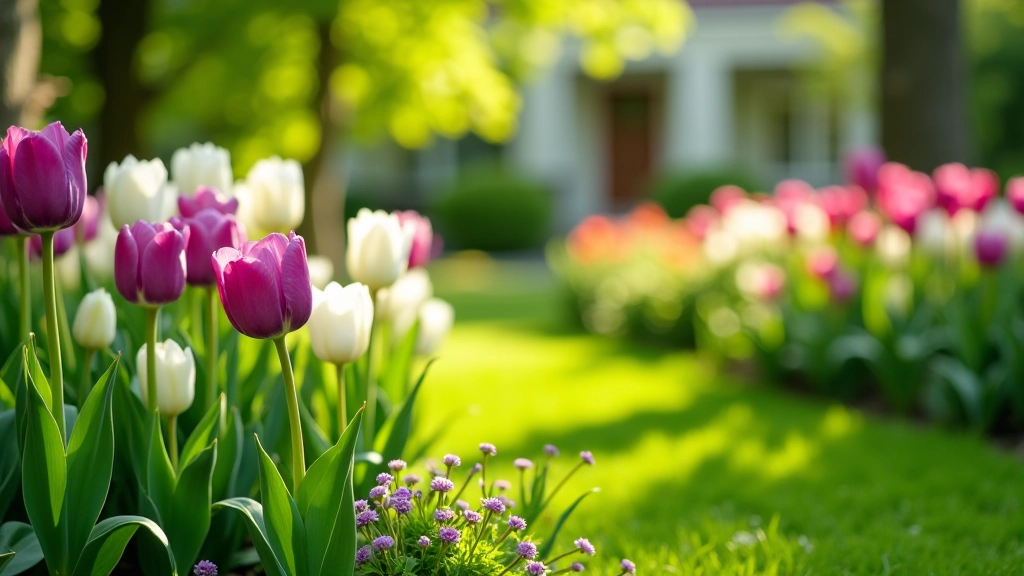
The trick isn't complicated. It's about layering different plants that bloom at different times. Spring bulbs like tulips and hyacinths kick things off. Summer brings coneflowers, daylilies, and salvias in waves. Then fall comes with asters, sedum, and ornamental grasses that actually look better when they're drying out. We're not talking about replanting every season — these are plants that come back year after year.
Planning Your Bloom Schedule
Here's what works in Lithuanian gardens. Early spring (April-May) is when your tulips, daffodils, and hellebores do their thing. Most years they're done by late May, which is perfect because that's when you want your late-spring bloomers taking over.
The real magic happens when you think about bloom time as overlapping waves. Don't plant all your spring bloomers in the same spot. Mix them with summer perennials that'll hide the dying foliage. Plant your daylilies, coreopsis, and catmint around your spring bulbs. When the bulb leaves start looking rough (usually by June), the summer plants are already full and leafy enough to cover them up.
Summer Color Layers
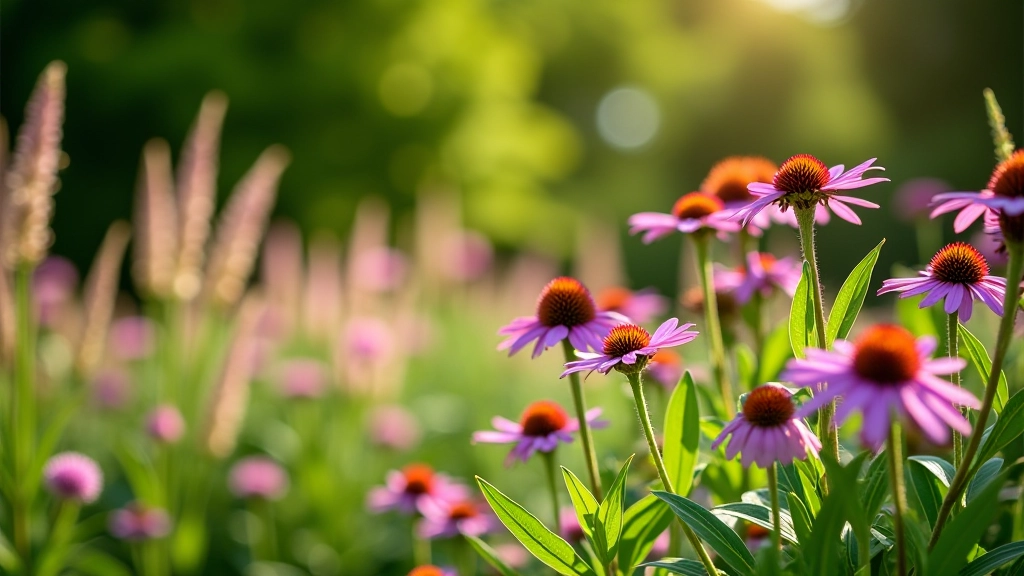
June through August is where perennials really shine. Echinacea (coneflower) is practically indestructible — you'll get blooms for 8-10 weeks with almost no fussing. Russian sage gives you airy texture and purple-blue flowers. Liatris adds vertical interest. The key is combining different bloom shapes: daisy-like flowers, spiky flowers, and airy clouds all in the same bed. That's what creates visual depth.
Don't Forget Fall and Winter Interest
This is where most people mess up. They pull everything out by August and end up with bare brown beds through October. But fall is actually when your garden can look most interesting.
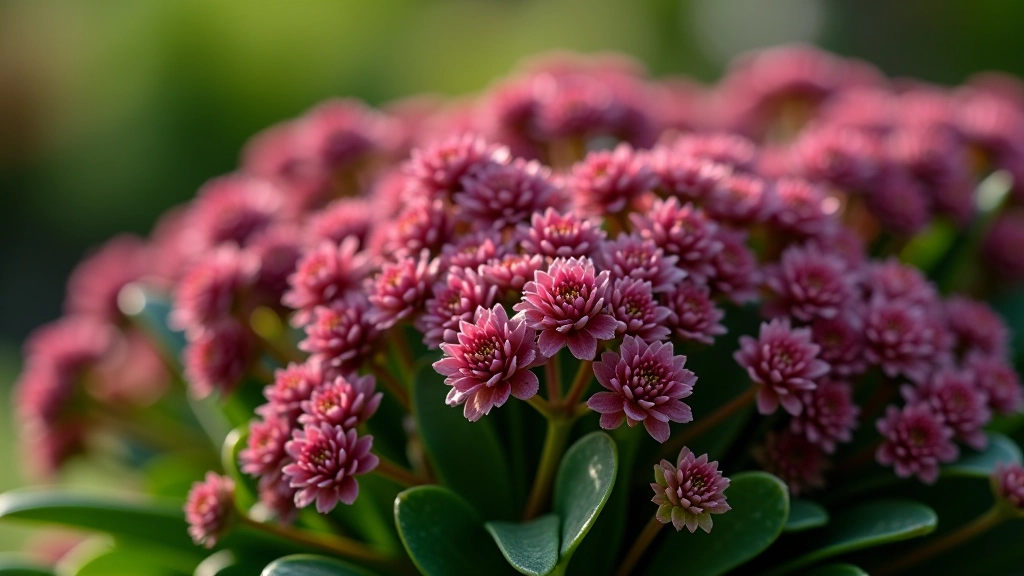
Asters bloom in September and October — they're practically foolproof in Baltic climates. Sedum (stonecrop) is where it gets really good. In summer it's just green. Come September, the flowers turn pink and burgundy. By November, the whole plant is deep wine-colored. It doesn't fall over in wind or snow. You'll have color and structure right through January.
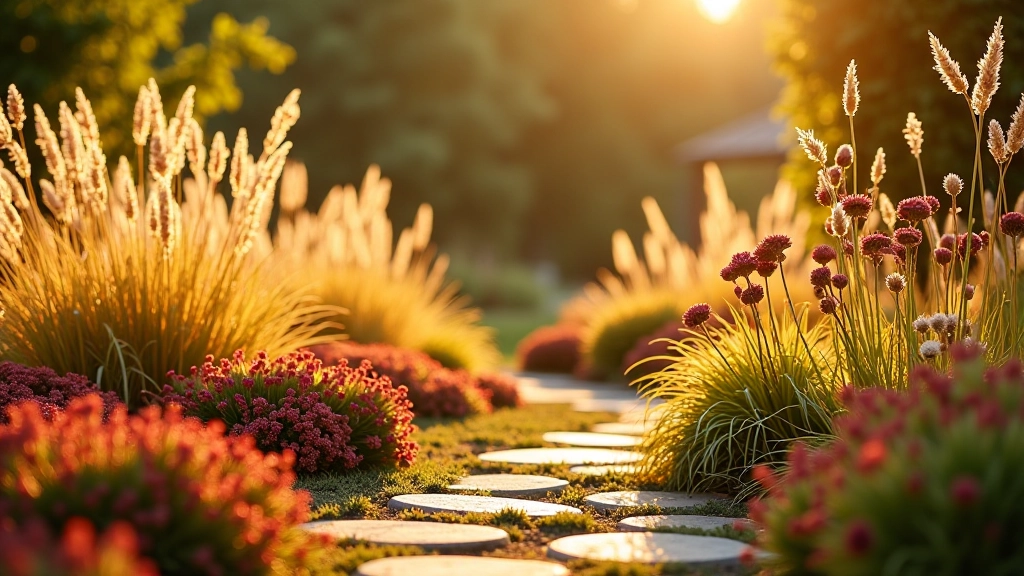
Ornamental grasses are your secret weapon for fall and winter. Miscanthus, panicum, and calamagrostis turn golden and copper. They move in the wind. Snow collects on them and makes them look sculptural. They're not pretty in that flower way — they're beautiful in a more architectural way.
Practical Design Steps
1
Map Your Light
Full sun (6+ hours), partial shade (3-5 hours), or full shade. Don't guess — most perennials have specific needs. Coneflowers want sun. Hostas want shade. Get this wrong and nothing blooms.
2
Choose Three Bloom Waves
Pick 2-3 plants for spring (April-May), 3-4 for summer (June-August), and 2-3 for fall (September-November). This gives you continuous color without replanting.
3
Vary Your Textures
Mix daisy-shaped flowers with spiky flowers with airy foliage. A bed of only daisies looks flat. Add Russian sage (airy), catmint (spiky), and coreopsis (daisy) together and you get real depth.
4
Group Plants by Water Needs
Daylilies and coreopsis are drought-tolerant once established. Phlox and astilbe like more moisture. Don't mix them — you'll either underwater the thirsty ones or overwater the tough ones.
Hardy Perennials for Marijampolė Gardens
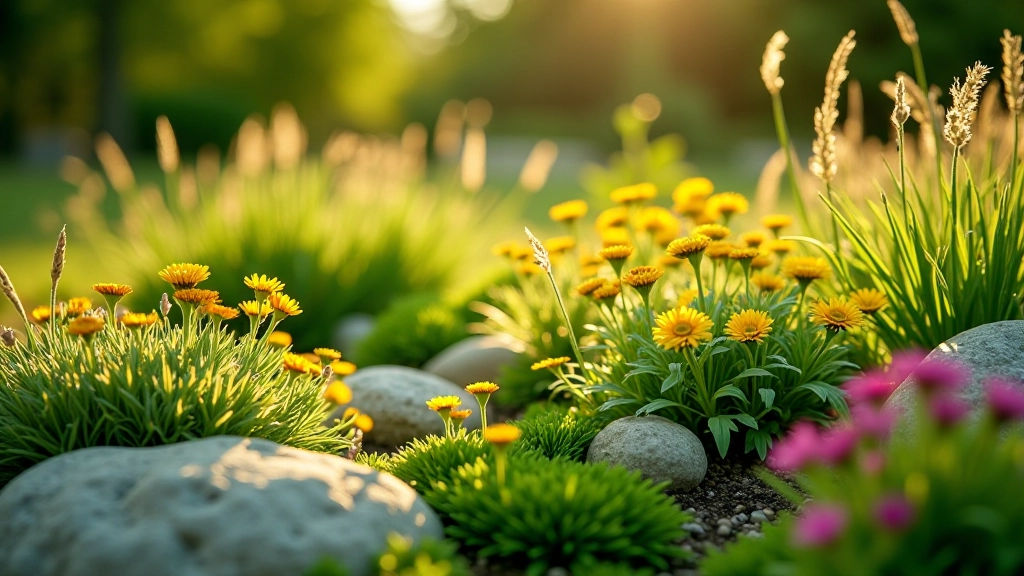
You need plants that actually survive winter. Zone 5 hardy means these will come back even in the coldest Marijampolė winters. We're talking about established plants — year-old plants that've had time to develop root systems.
Echinacea (Coneflower)
Pink, purple, or white. Blooms June-September. Full sun. Butterflies love it. Looks good even when dried.
Liatris (Blazing Star)
Purple or white spikes. Blooms July-August. Full sun. Vertical accent that doesn't flop over.
Perovskia (Russian Sage)
Purple-blue flowers on airy stems. Blooms July-September. Full sun. Soft texture that fills space.
Sedum (Stonecrop)
Pink, burgundy, or white flowers. Blooms August-November. Full sun to partial shade. Best fall color.
Daylilies
Every color except blue. Blooms depend on variety — can span entire summer. Full sun to partial shade. Nearly indestructible.
Creating Real Year-Round Interest
The difference between a garden with "a few flowers" and a garden with "year-round color" comes down to planning, not magic. You're not doing anything complicated — just picking plants that bloom at different times and arranging them so they support each other visually.
Start with spring bulbs (tulips, daffodils). Add summer bloomers (coneflowers, daylilies, catmint). Finish with fall interest (asters, sedum, ornamental grasses). Don't replant. Don't fuss. Just let them do what they're designed to do — come back stronger every year.
Your garden in May will look completely different from your garden in August, which'll look completely different from your garden in October. That's the whole point. You're not aiming for constant identical beauty — you're creating a living space that changes and surprises you throughout the year.
Disclaimer
This article provides educational information about perennial gardening for the Marijampolė region and Baltic climate conditions. Individual results may vary based on specific site conditions, soil composition, microclimate variations, and seasonal weather patterns. For specific gardening challenges or professional landscape design assistance, we recommend consulting with a qualified landscape professional who can assess your particular property and conditions.