Understanding Baltic Climate Challenges
When you're building a patio or garden bed in Lithuania, you're not just fighting regular wear and tear. You're dealing with freeze-thaw cycles that'll crack the wrong materials in a single winter. The ground freezes, expands, and shifts. Then spring comes and everything thaws. That movement happens repeatedly from November through March — it's relentless.
Most people don't realize how aggressive Baltic winters are on hardscape materials. We're not talking about occasional frost. You'll get temperature swings of 15-20 degrees Celsius in a single week. Water gets into tiny pores in stone or concrete, freezes, and expands with force that'll crack the material from the inside out. It's why generic patio materials from warmer climates simply won't last here.
Key insight: Porosity is your enemy in the Baltic climate. The more porous the material, the more water it absorbs, and the more damage freeze-thaw cycles cause.
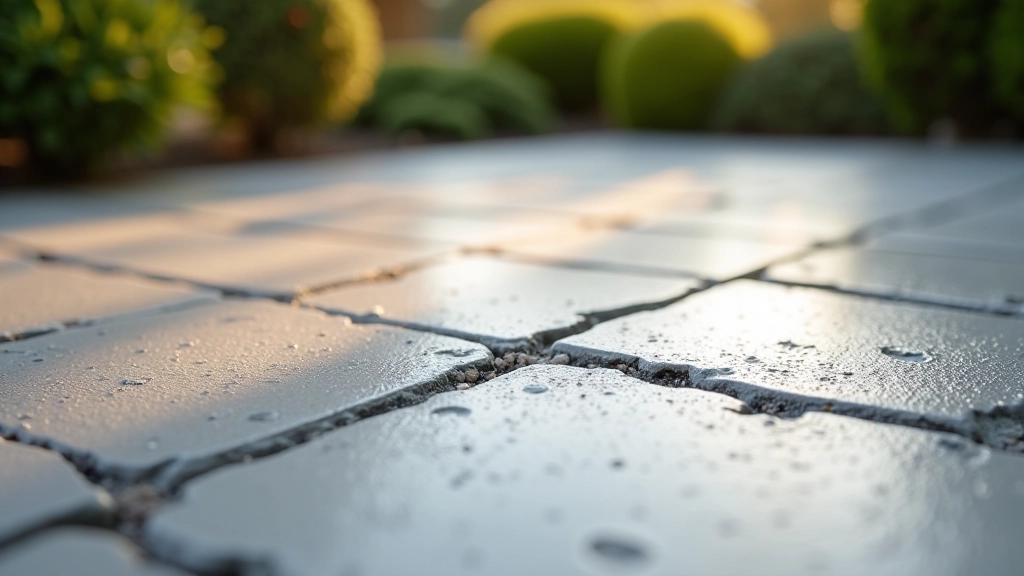
Stone Pavers: The Durable Choice
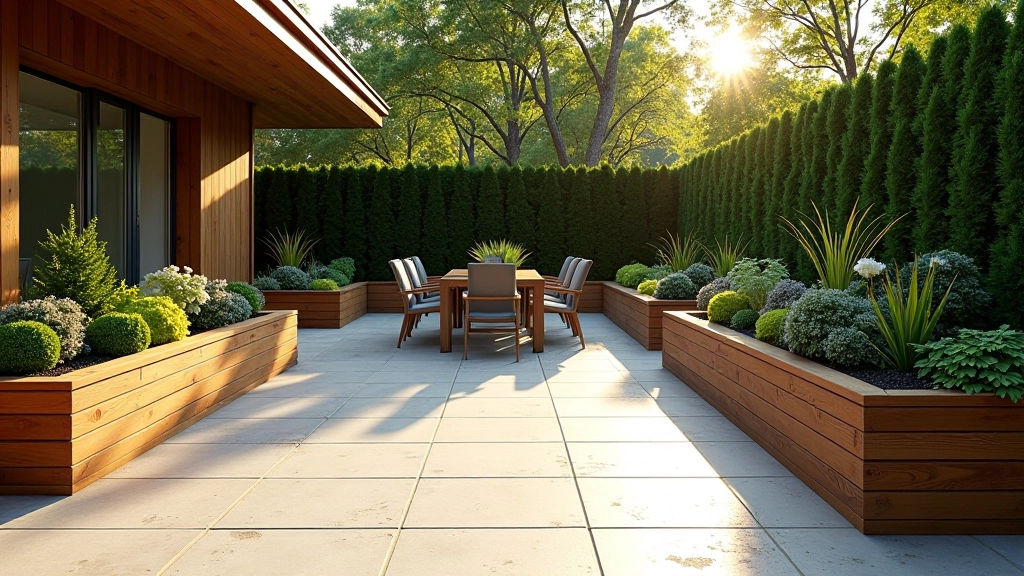
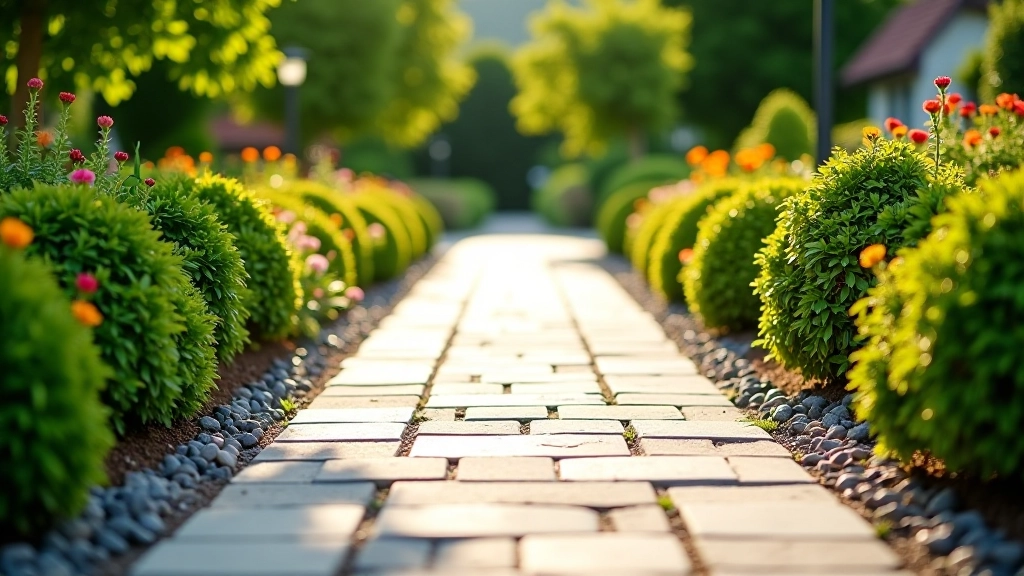
Granite and basalt pavers are your best bet for durability in this climate. We've installed thousands of square meters across South Lithuania, and the ones that last longest are always natural stone — specifically granite with low porosity ratings (below 1% water absorption). You'll notice that pavers from Scandinavian suppliers tend to perform better than those from warmer regions because they're designed for similar climates.
Granite doesn't expand much when it freezes. The crystalline structure is so dense that water barely penetrates. Basalt is similar — it's slightly denser than granite, actually. Both hold up through 20+ years of Baltic winters without significant degradation. Slate, on the other hand, we avoid. It's beautiful but it's layered, and water gets between those layers. You'll see it spalling and flaking after just 3-4 winters.
The real difference shows up in the installation. Pavers need proper base preparation — 100-150mm of compacted gravel foundation with good drainage. If water pools underneath the pavers, even granite will eventually suffer. You're not just choosing the material. You're choosing the whole system.
- Granite pavers: 0.5-1% water absorption
- Basalt pavers: 0.3-0.8% water absorption
- Marble pavers: 0.5-2% absorption (avoid)
- Slate pavers: 2-5% absorption (not recommended)
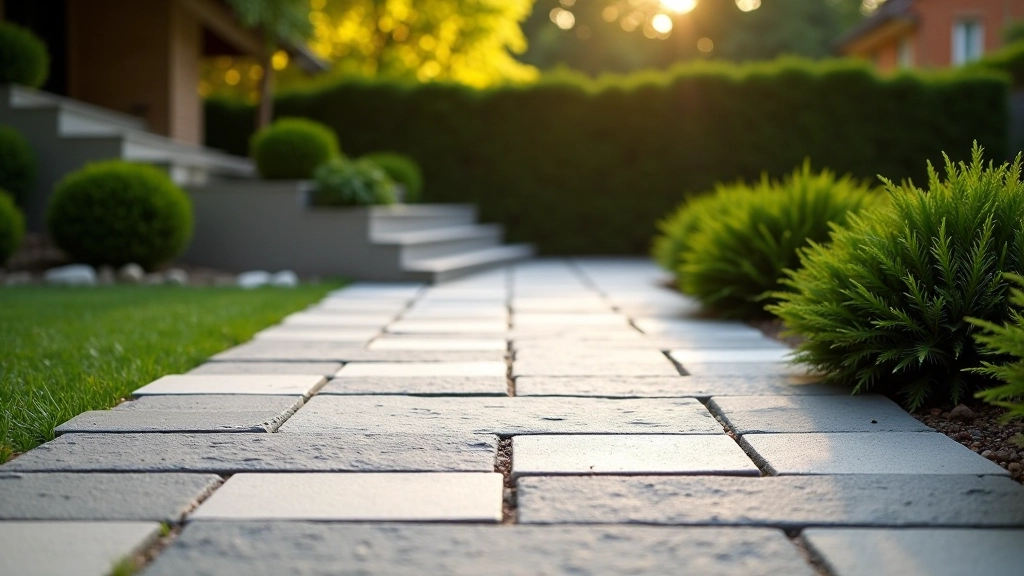
Concrete: The Tricky Option
Concrete can work in the Baltic climate, but it's not a simple choice. Standard concrete has porosity around 5-10% — too high for freeze-thaw environments. But high-performance concrete with low water-cement ratios (0.40 or lower) and air entrainment actually performs well. The air bubbles provide space for water to expand without cracking the matrix.
We've had success with professionally installed air-entrained concrete in Marijampolė and surrounding areas. The trick is that it needs proper finishing and sealing. You're looking at resealing every 2-3 years to maintain water resistance. Without that maintenance, you'll see surface scaling within 5-7 years. Concrete's also susceptible to salt damage if you use road salt for de-icing, which most people do here.
If you're going the concrete route, get it from a supplier experienced with Baltic winters. Don't just grab whatever's available. Specify air entrainment (4-8% air content) and ask for documentation of water-cement ratio. Most concrete you'll find locally isn't optimized for freeze-thaw resistance.
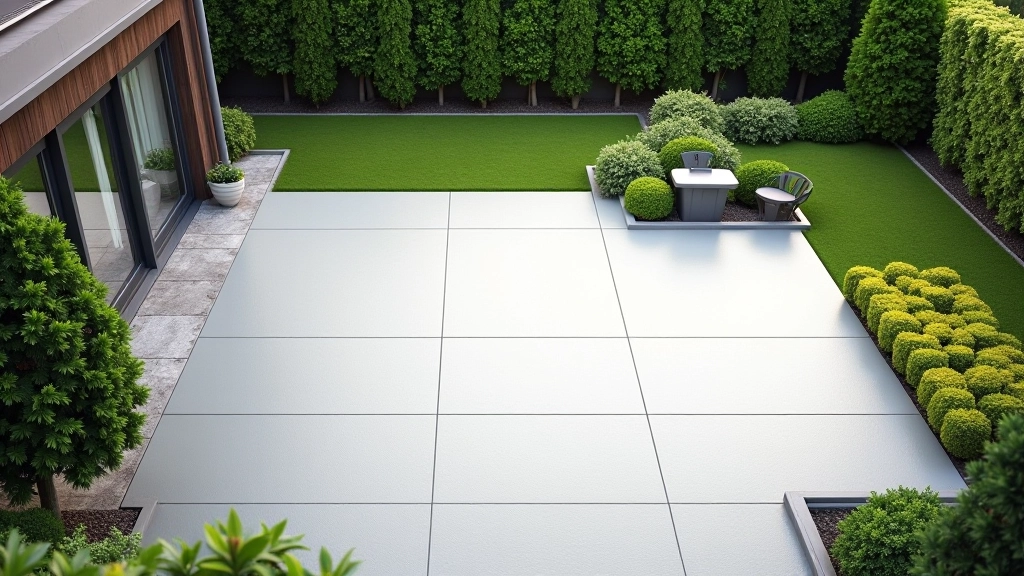
Wood and Composite Decking: Maintenance Matters
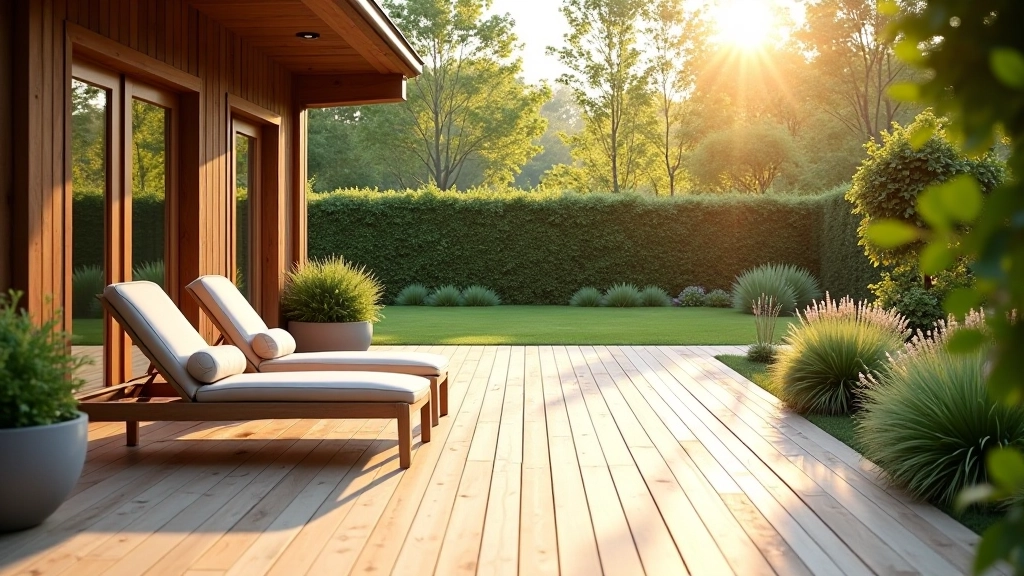
Wood decking can absolutely work in the Baltic climate — we've built decks that last 15+ years. The secret isn't the wood type, it's the maintenance commitment. Hardwoods like larch and oak are your best choices because they're denser and rot-resistant. Softwoods like pine need more frequent treatment and won't last as long under Baltic conditions.
The real challenge with wood is water absorption and expansion. Wood moves as it absorbs and releases moisture. In Baltic winters, you get constant moisture changes — snow, rain, frost. That movement can warp boards, pop nails, and create gaps. You're looking at annual or bi-annual sealing to keep water out. Most people don't do this consistently, which is why they see their decks deteriorate after 5-7 years.
Composite decking is appealing because it requires less maintenance. But don't believe the "maintenance-free" marketing. Composite still absorbs some water and needs cleaning. The difference is you don't need to seal it annually. We've had good results with quality composites (70%+ wood content with quality binders), but they're significantly more expensive than wood or stone pavers.
Larch Hardwood
Natural rot resistance, beautiful aging. Requires annual sealing. Expect 12-15 year lifespan with proper maintenance.
Composite Decking
Minimal sealing needed. More expensive upfront. Lasts 15-20 years with occasional cleaning. Slight color fading in direct sun.
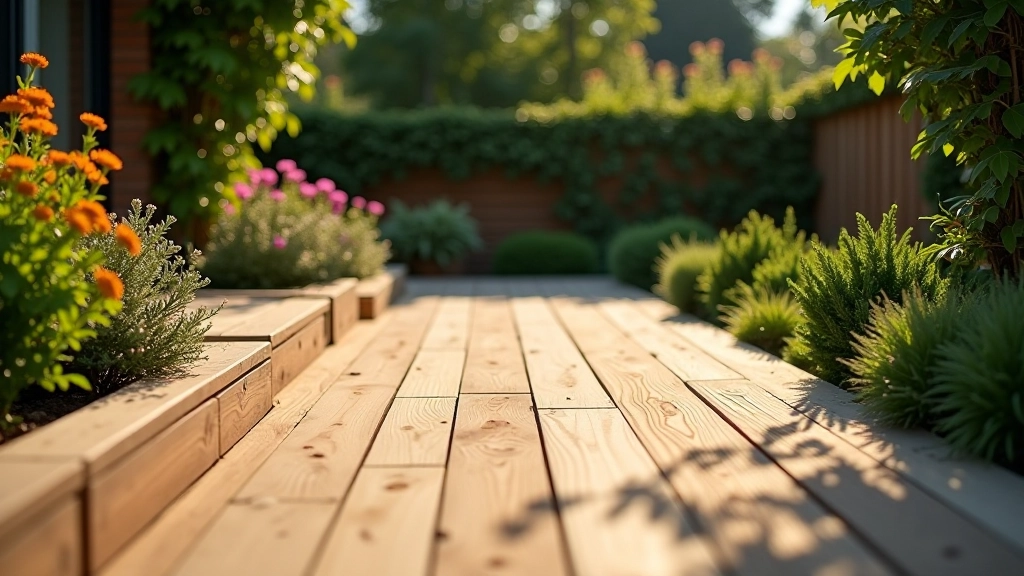
Gravel and Base Materials: The Foundation Matters
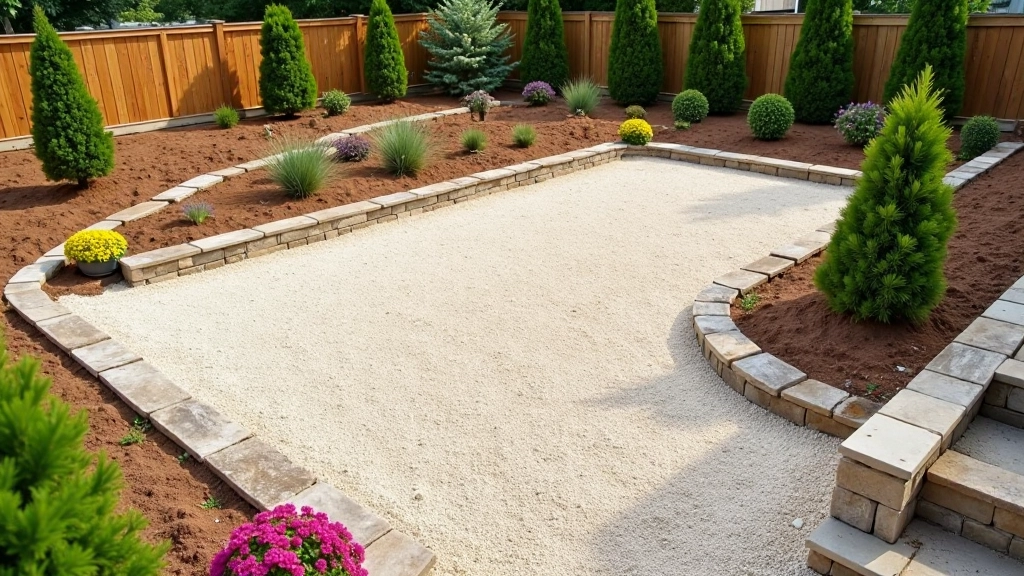
You can't overlook what goes underneath your hardscape. In the Baltic climate, proper drainage is absolutely critical. Gravel size matters more than most people realize. You want 20-40mm clean stone as your base layer — this allows water to drain through without compacting into a clay-like mass. Many people use whatever gravel is cheapest, which often includes fine dust and clay particles. That stuff holds water and creates problems.
The base preparation under pavers or concrete should be 100-150mm of compacted gravel, properly sloped for drainage. We typically use geotextile fabric between the ground and gravel to prevent soil from mixing up into the gravel layer. Without this separation, freeze-thaw cycles can push the entire patio up as ground heaves. It's not uncommon to see patios that've shifted 50mm or more in a single winter because the base preparation was poor.
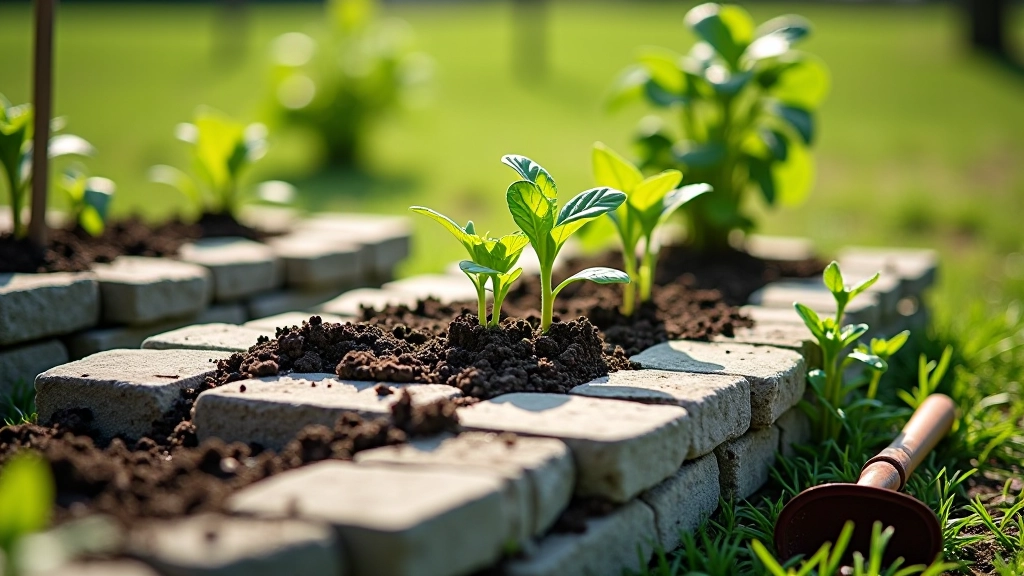
Edge restraints also matter. Without proper edging (concrete, metal, or stone), pavers will shift and spread over time as freeze-thaw cycles push them outward. It's a subtle force but it's relentless across a winter season.
Making Your Material Choice
You're making the right move by thinking about materials before you build. The difference between choosing correctly and choosing wrong is literally years of lifespan — and the difference in maintenance time is dramatic. A properly installed granite patio needs nothing beyond occasional sweeping and maybe a light cleaning. A poorly chosen concrete patio needs sealing, repairs, and eventually replacement.
Here's what we recommend: Start with granite or basalt pavers if your budget allows. They'll outlast everything else with minimal maintenance. If that's not feasible, high-performance concrete with proper air entrainment and a sealing commitment is your second choice. Skip slate, marble, and standard concrete unless you're prepared for frequent repairs.
And don't forget the foundation. The base preparation determines whether your hardscape lasts 5 years or 20. Invest in proper gravel, geotextile, and drainage — that's where you prevent expensive problems later.
Disclaimer
This article provides educational information about hardscape materials and their performance in Baltic climate conditions. Material longevity depends on numerous factors including specific installation methods, local soil conditions, drainage systems, and ongoing maintenance. We recommend consulting with experienced local landscape professionals before making material selections for your specific property. Actual performance may vary based on your individual circumstances, microclimate conditions, and implementation quality.