Start With Proper Sizing
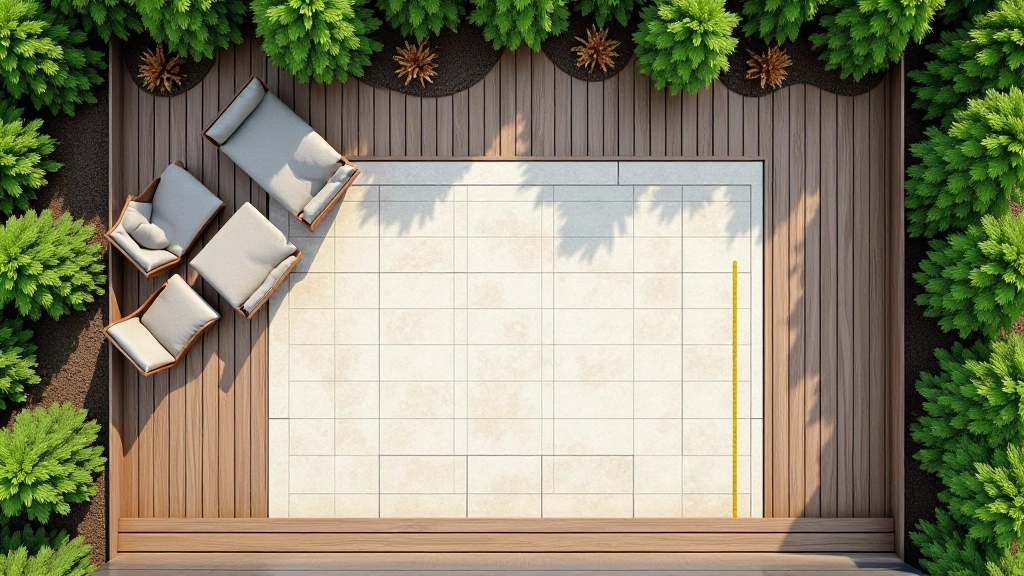
The foundation of any functional patio is getting the dimensions right. Most people underestimate how much space they actually need. A patio that feels cramped won't get used, no matter how nice it looks.
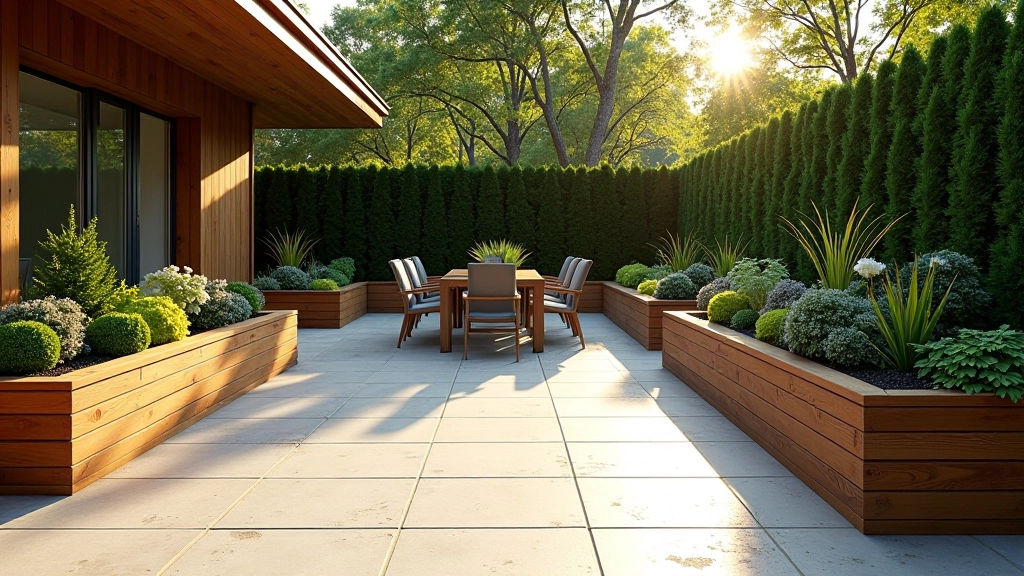
Here's the reality: you'll want at least 200 square feet for basic functionality. That's roughly 14 feet by 14 feet. If you're planning seating for six people plus a dining table, you're looking at closer to 300 square feet — about 15 feet by 20 feet. And honestly? More space is almost always better.
The key metric is clearance. You need at least three feet between the edge of your seating area and any obstruction — a fence, wall, or landscaping. This prevents that trapped feeling and makes movement comfortable.
Create Distinct Zones
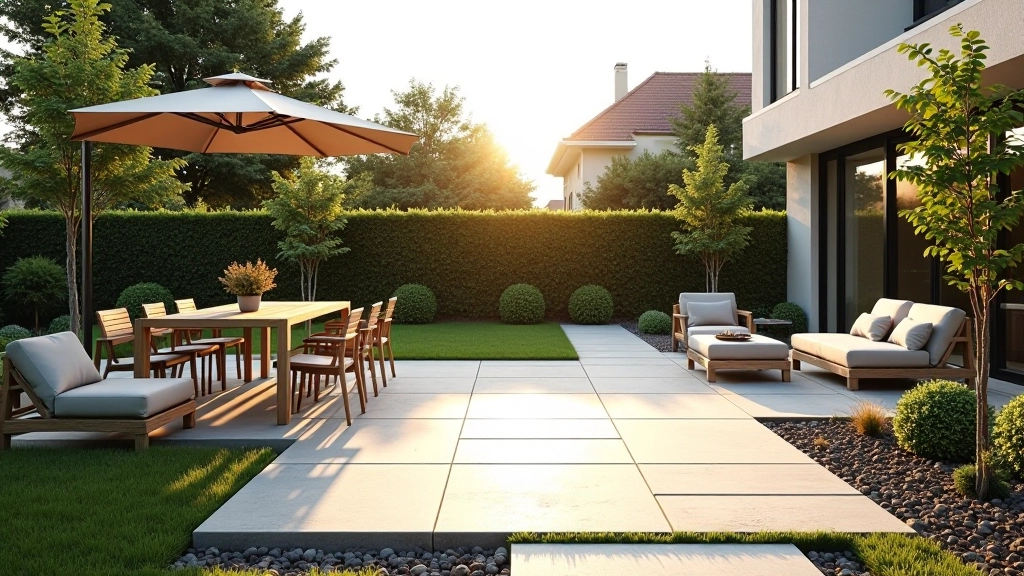
A patio that works is one with clear zones. Don't just plop furniture randomly. Think about how people will actually use the space.
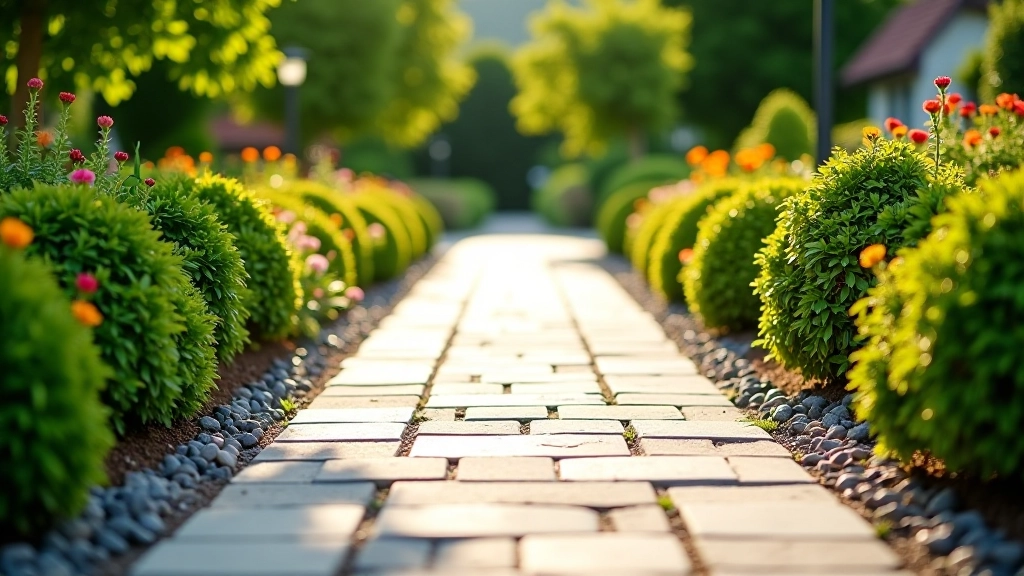
Most functional patios have three zones: dining, lounging, and circulation. The dining zone needs a table plus chairs with at least two feet of pull-out space. The lounging zone is where people sit, chat, and relax — chairs facing each other or toward a view. Circulation is the paths people walk on to get from one area to another. You'll want these at least three feet wide.
What makes this work is separation. You don't want someone squeezing past the dinner table to reach a chair. A slight level change, a border plant, or even just a subtle shift in material can define zones without needing walls.
Selecting Materials That Last
In the Baltic climate, material selection isn't optional — it's critical. You're dealing with freeze-thaw cycles that destroy weak materials, plus constant moisture from rain and snow.
Smart choices for Marijampolė patios: Pressure-treated wood decking, natural stone pavers (granite or limestone), and composite materials. Avoid untreated wood, soft sandstone, and cheap pavers that absorb water.
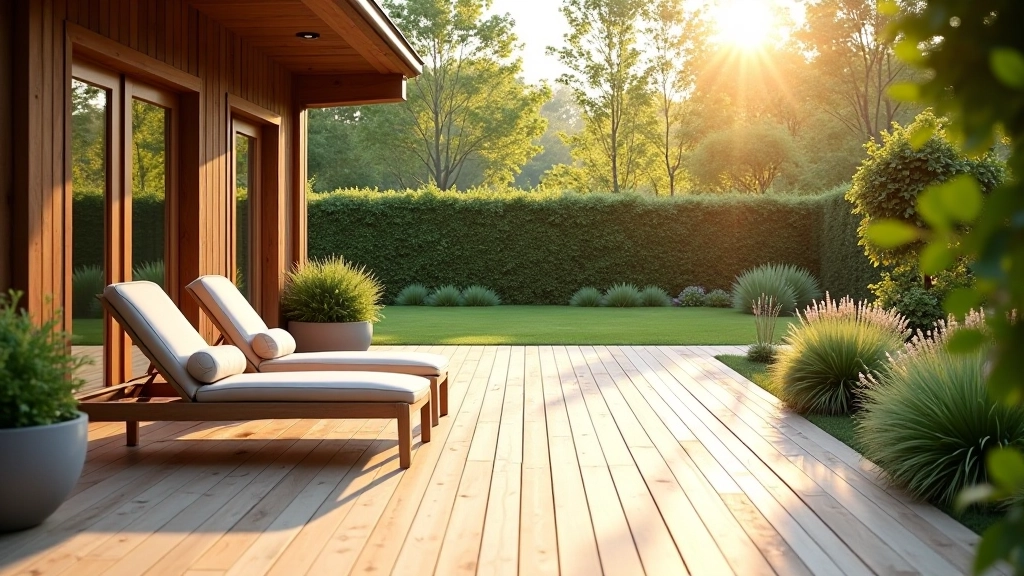
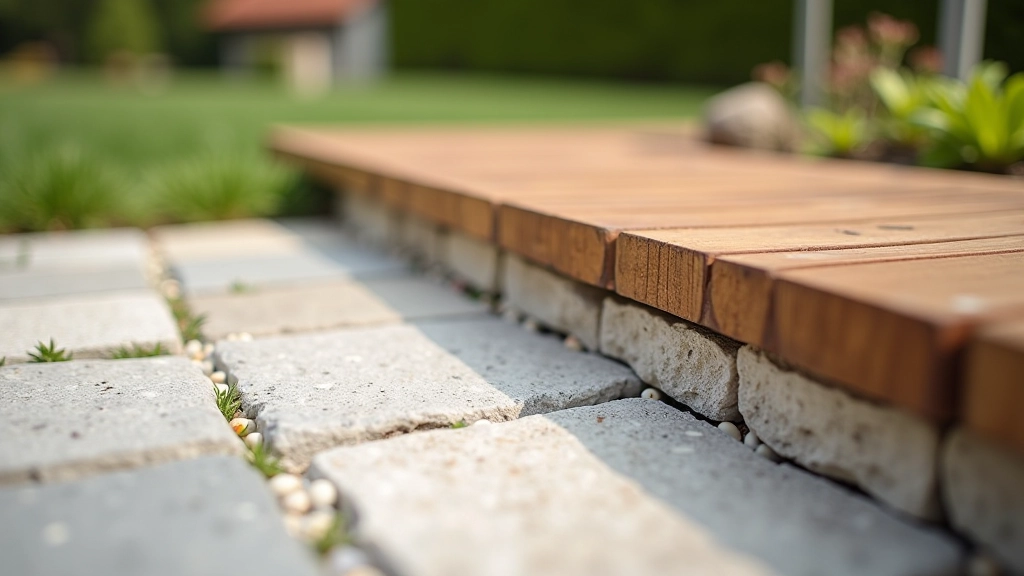
Wooden decks are popular here because they warm up in sun and feel good underfoot. The catch? You'll need to maintain them. Seal them every 2-3 years. Stone pavers cost more upfront but last 20+ years with minimal fuss. They're also better if you're near trees since they don't rot.
Don't mix materials randomly. A good combination is a wood deck for the main seating area plus stone pavers for the perimeter or pathways. This gives you durability where it matters and warmth where people spend time.
Position Seating for Real Use
This is where most patios fail. People position furniture wrong, and the space doesn't work.
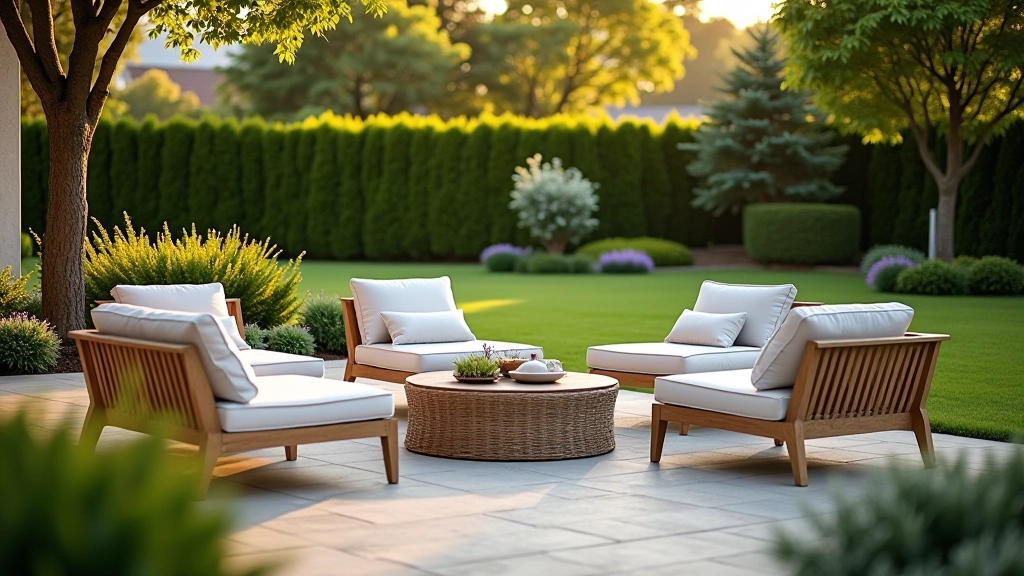
For conversation seating, arrange chairs so people face each other or toward a shared focal point — a fire pit, a view, or a garden feature. Sitting with your back to everyone isn't comfortable. You'll want 8-10 feet between conversation groups if you have multiple areas.
Sun matters too. In summer, partial shade is ideal. Position lounge chairs where they catch morning sun but get afternoon shade from trees or a pergola. If you don't have natural shade, consider installing a retractable shade system or planting fast-growing vines on a structure. Nobody wants to sit in full sun at 3pm in July.
Making It Work For Your Home
A functional patio isn't complicated. It's about getting three fundamentals right: adequate size, clear zones, and durable materials. Once you've nailed those, position your seating thoughtfully and you're done.
The difference between a patio that gets used and one that sits empty often comes down to these practical details. You don't need expensive furnishings or complex landscaping. You need space that works, materials that last, and seating that's positioned where people actually want to sit.
Start by measuring your space. Figure out what zones you need. Choose materials rated for Baltic climate conditions. Then arrange your furniture so people face each other and catch the right amount of sun. That's the recipe.
Disclaimer
This article is for informational purposes only. It provides general guidance on patio design and layout principles. Specific recommendations should be adapted to your local climate, soil conditions, building codes, and personal preferences. For professional landscape design services tailored to your property, consult with a licensed landscape architect or design specialist. Always verify local building permits and regulations before beginning any patio construction project.